
Whoa, something fresh under the sun

Whoa, something fresh under the sun

Organic olive oil from small family farms in Crete, Greece.

Organic olive oil from small family farms in Crete, Greece.

Exclusively Koroneiki olives

The tiny queen of big flavor

Grown in Crete, Greece

Where olives were born

Harvested early

For high polyphenol count

Regenerative process

Systems that heal, not harm

Robust flavor by nature

Fresh olive oil does not taste mild. It is bright, verdant, and alive, with notes of cut grass and herbs, and a peppery finish that catches briefly at the back of the throat.

That bite is true a proof of freshness — the presence of polyphenols that fade as oil ages. Once you have tasted oil this way, the flat, neutral olive oils common to grocery shelves reveal themselves for what they are: oxidized, blended, or adulterated.

Certified organic (EU + US)

Early harvest

Cold pressed within hours

Single varietal, never blended

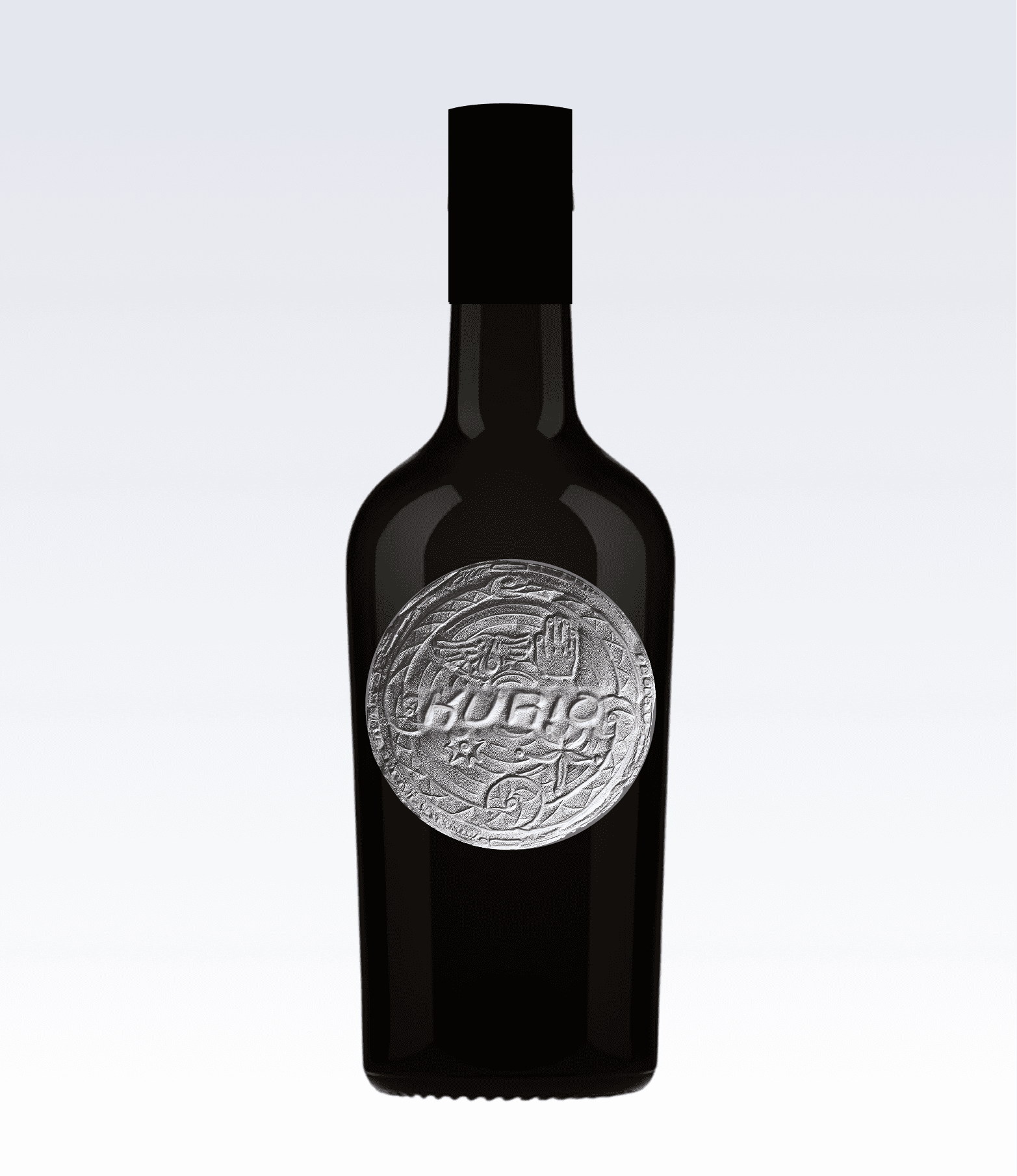
Bottled in UV-protective glass

Oil for finishing, dressing, cooking

Oil for finishing, dressing, cooking

Kurio oil is bright, herbaceous, and unapologetically alive. Notes of green apple, cut grass, and tomato leaf, finishing with a pronounced peppery kick at the back of the throat. That sensation is not heat, it is polyphenols in their natural state, present only in oil pressed and consumed fresh.

“This is the olive oil the farmers press for their own tables.
It doesn't usually leave the island!”

“This is the olive oil the farmers press for their own tables.
It doesn't usually leave the island!”

Packed with nutrients

Harvest begins early in October. The olives are still green and firm, and packed with polyphenols, the compound that gives the oil its characteristic intense flavor and health benefits. Early harvest yields less fruit,

Haste makes taste

From grove to mill in hours, not days. The olives are cold-pressed in Tympaki, minutes from the farms in the Messara plain. The oil is extracted below 27°C, cool enough to preserve the delicate aromatics. It is not blended to achieve consistency, nor is it chemically refined or altered after pressing. What you taste is exactly what left the press: unheated, unblended, alive.

Pressed and poured

Pressed and poured

COLD EXTRACTION. Filtered once, bottled in glass, and sealed at the source. The oil leaves our mill as it arrives in your kitchen. It is never shipped in bulk.What you taste is exactly what left the press: unheated, unblended, alive. 

The wild island of the Mediterranean

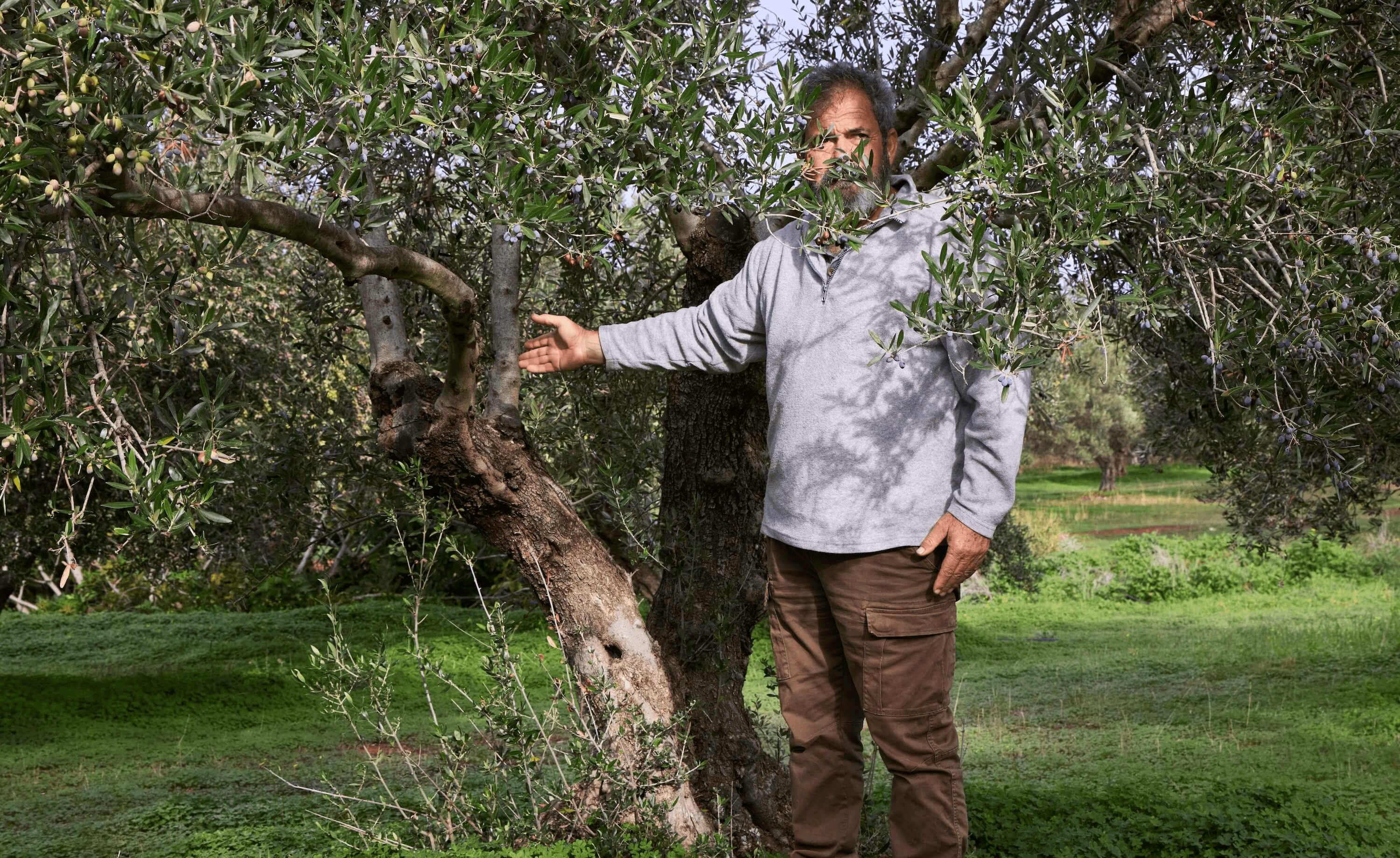
Our olives grow on the southern coast of Crete, where rocky, arid hills meet the Messara plain. The air carries the scent of sun-baked earth and brine from the nearby coast. Silvery olive leaves catch the light, and goats pick their way down steep, terraced hillsides between the groves.

Taste that's alive

Taste that's alive

Early-harvest olive oil is naturally rich in antioxidants, the same compounds that give it its characteristic bite, unlike your regular grocery store option. The benefits accumulate without pretension as you dress your salads, dip your breads, and drizzle on your favorite dishes.

Why Kurio

Kurio is for those who have learned (or suspect) that most olive oil sold in the United States is not what it claims to be.

In Crete, olive oil has never required explanation. Locals know the farmer, the grove, and the month of its harvest. The oil is pressed within hours, bottled at its source, and enjoyed over the course of the year, until the next harvest cycle. Excellent quality olive oil is not a luxury - it is simply how things are done. Kurio brings that same transparency here. It is certified organic, harvest-dated, and traceable to its region on the island. There is no guesswork or vague origins. The groves are named. The farms are known.

We came to Crete chasing island sunshine…
Kurio grew from our obsession with olive oil, born in a rugged, wild place that follows its own rules and refuses to be tamed. Something about how we are continually learning about our world and how we can impact it.

We came to Crete chasing island sunshine…
Kurio grew from our obsession with olive oil, born in a rugged, wild place that follows its own rules and refuses to be tamed. Something about how we are continually learning about our world and how we can impact it.

FAQ

Where does Kurio olive oil come from?

Kurio is made from olives grown on small, family-run groves across southern Crete, specifically in and around the Messara plain and villages like Kamilari and Tympaki. Olive growing here is deeply personal and generational, shaped by stony soils, dry hillsides, and long-established farming traditions.

Are the olives from a single farm?

Kurio comes from a network of neighboring family farms that share the same landscape, olive variety, and harvest practices. These groves are small, often tended by the same families for generations, and pressed locally to preserve freshness and integrity.

How big are these farms?

Olive farms in Crete are typically very small, averaging around 1.5 hectares. This stands in contrast to large-scale olive agriculture in places like Spain, where farms are often several times larger (about 5.5 hectares) and designed for mechanized, high-volume production. The smaller scale in Crete allows for closer attention to the trees and the timing of harvest.

Why are small farms better than large scale?

The timeline varies depending on the project’s scope and complexity. On average, most projects take 2–6 weeks, but I’ll provide a clear timeframe after discussing your specific needs.

Why does early harvest matter?

Harvesting in early October means the olives are still green and firm, with naturally high levels of polyphenols and antioxidants. The yield is lower, but the oil is more concentrated and resilient, both nutritionally and structurally. This choice prioritizes quality over quantity.

What olives do you use?

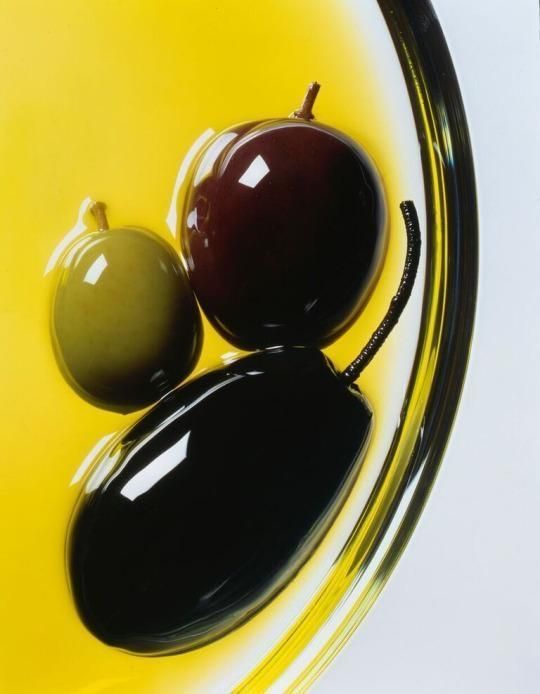
Kurio is made exclusively from Koroneiki olives, a small-fruited variety native to Greece. Koroneiki olives are prized for producing oil with naturally high polyphenol content, excellent stability, and concentrated character, even in small quantities.

What makes Koroneiki olives different?

Koroneiki olives are small, resilient, and naturally high in polyphenols. They produce oil with exceptional stability, even at early harvest, and retain intensity and structure over time. Koroneiki is hard to find in industrial olive oil. Koroneiki trees produce less oil by volume and are less suited to high-density, mechanized farming. They are valued for quality rather than yield, which makes them a natural fit for small-scale, family-run groves.

Is Kurio organic?

Yes. The groves we work with follow organic practices, shaped as much by tradition and necessity as by certification. The dry climate and low-input farming methods of southern Crete naturally support organic cultivation. Koroneiki is hard to find in industrial olive oil. Koroneiki trees produce less oil by volume and are less suited to high-density, mechanized farming. They are valued for quality rather than yield, which makes them a natural fit for small-scale, family-run groves.

Why is it bottled in Crete?

Bottling at the source protects freshness and traceability. The oil is never shipped in bulk or rebottled elsewhere. What leaves southern Crete is what arrives in your kitchen.Koroneiki is hard to find in industrial olive oil. Koroneiki trees produce less oil by volume and are less suited to high-density, mechanized farming. They are valued for quality rather than yield, which makes them a natural fit for small-scale, family-run groves.

Why does Kurio taste different from most olive oil?

Fresh, early-harvest olive oil is naturally bold, with a strong aftertaste. Many supermarket oils are older, blended, or produced at industrial scale, which flattens flavor and strips away character. Kurio tastes the way olive oil does at the beginning of its life.

Can I cook with it? What about smoke point?

Yes. Kurio is suitable for everyday cooking as well as finishing. Fresh extra virgin olive oil with high polyphenol content is naturally stable at heat, and its smoke point is well above typical home cooking temperatures. In Crete, olive oil is used for everything from sautéing vegetables to slow cooking, not reserved for special occasions.

How should I use it?

Use it generously and often. This is everyday olive oil in the Cretan sense. Cook with it, finish dishes with it, and do not save it for special occasions. Many also love to take daily shots with this oil for beautiful benefits.

Where does Kurio olive oil come from?

Kurio is made from olives grown on small, family-run groves across southern Crete, specifically in and around the Messara plain and villages like Kamilari and Tympaki. Olive growing here is deeply personal and generational, shaped by stony soils, dry hillsides, and long-established farming traditions.

Are the olives from a single farm?

Kurio comes from a network of neighboring family farms that share the same landscape, olive variety, and harvest practices. These groves are small, often tended by the same families for generations, and pressed locally to preserve freshness and integrity.

How big are these farms?

Olive farms in Crete are typically very small, averaging around 1.5 hectares. This stands in contrast to large-scale olive agriculture in places like Spain, where farms are often several times larger (about 5.5 hectares) and designed for mechanized, high-volume production. The smaller scale in Crete allows for closer attention to the trees and the timing of harvest.

Why are small farms better than large scale?

The timeline varies depending on the project’s scope and complexity. On average, most projects take 2–6 weeks, but I’ll provide a clear timeframe after discussing your specific needs.

Why does early harvest matter?

Harvesting in early October means the olives are still green and firm, with naturally high levels of polyphenols and antioxidants. The yield is lower, but the oil is more concentrated and resilient, both nutritionally and structurally. This choice prioritizes quality over quantity.

What olives do you use?

Kurio is made exclusively from Koroneiki olives, a small-fruited variety native to Greece. Koroneiki olives are prized for producing oil with naturally high polyphenol content, excellent stability, and concentrated character, even in small quantities.

What makes Koroneiki olives different?

Koroneiki olives are small, resilient, and naturally high in polyphenols. They produce oil with exceptional stability, even at early harvest, and retain intensity and structure over time. Koroneiki is hard to find in industrial olive oil. Koroneiki trees produce less oil by volume and are less suited to high-density, mechanized farming. They are valued for quality rather than yield, which makes them a natural fit for small-scale, family-run groves.

Is Kurio organic?

Yes. The groves we work with follow organic practices, shaped as much by tradition and necessity as by certification. The dry climate and low-input farming methods of southern Crete naturally support organic cultivation. Koroneiki is hard to find in industrial olive oil. Koroneiki trees produce less oil by volume and are less suited to high-density, mechanized farming. They are valued for quality rather than yield, which makes them a natural fit for small-scale, family-run groves.

Why is it bottled in Crete?

Bottling at the source protects freshness and traceability. The oil is never shipped in bulk or rebottled elsewhere. What leaves southern Crete is what arrives in your kitchen.Koroneiki is hard to find in industrial olive oil. Koroneiki trees produce less oil by volume and are less suited to high-density, mechanized farming. They are valued for quality rather than yield, which makes them a natural fit for small-scale, family-run groves.

Why does Kurio taste different from most olive oil?

Fresh, early-harvest olive oil is naturally bold, with a strong aftertaste. Many supermarket oils are older, blended, or produced at industrial scale, which flattens flavor and strips away character. Kurio tastes the way olive oil does at the beginning of its life.

Can I cook with it? What about smoke point?

Yes. Kurio is suitable for everyday cooking as well as finishing. Fresh extra virgin olive oil with high polyphenol content is naturally stable at heat, and its smoke point is well above typical home cooking temperatures. In Crete, olive oil is used for everything from sautéing vegetables to slow cooking, not reserved for special occasions.

How should I use it?

Use it generously and often. This is everyday olive oil in the Cretan sense. Cook with it, finish dishes with it, and do not save it for special occasions. Many also love to take daily shots with this oil for beautiful benefits.